Ever wonder about the variety of cooking fats that line the grocery store aisles? Wonder no more—we’ve got the skinny on fats!
You’ve probably used olive oil and butter but what about ghee or coconut oil? There are so many different types of cooking fats that it can be hard to keep track of what’s what. Not to mention, the variety of uses and unique characteristics of each type. Is it refined or unrefined? Does it have a high or low smoke point? What’s the shelf life? All this and more answered below!
Refined fats have undergone more processing than unrefined fats. Though processing will vary by fat and by manufacturer, in general, a fat that has been processed will have had more ingredients added during that process. This results in key differences in the taste, shelf-life and smoke point of refined versus unrefined cooking fats. A good example is coconut oil. Refined coconut oil is neutral in smell and taste and has a higher smoke point (up to 365°F). Virgin (unrefined) coconut oil has a coconut smell and taste and has a lower smoke point (up to 280°F).
Refined
Unrefined
Using the right form of fat can make or break a recipe. For example, when making cookies, most recipes will call for softened butter in order to follow the creaming method—this could not be replicated if a liquid fat was used.

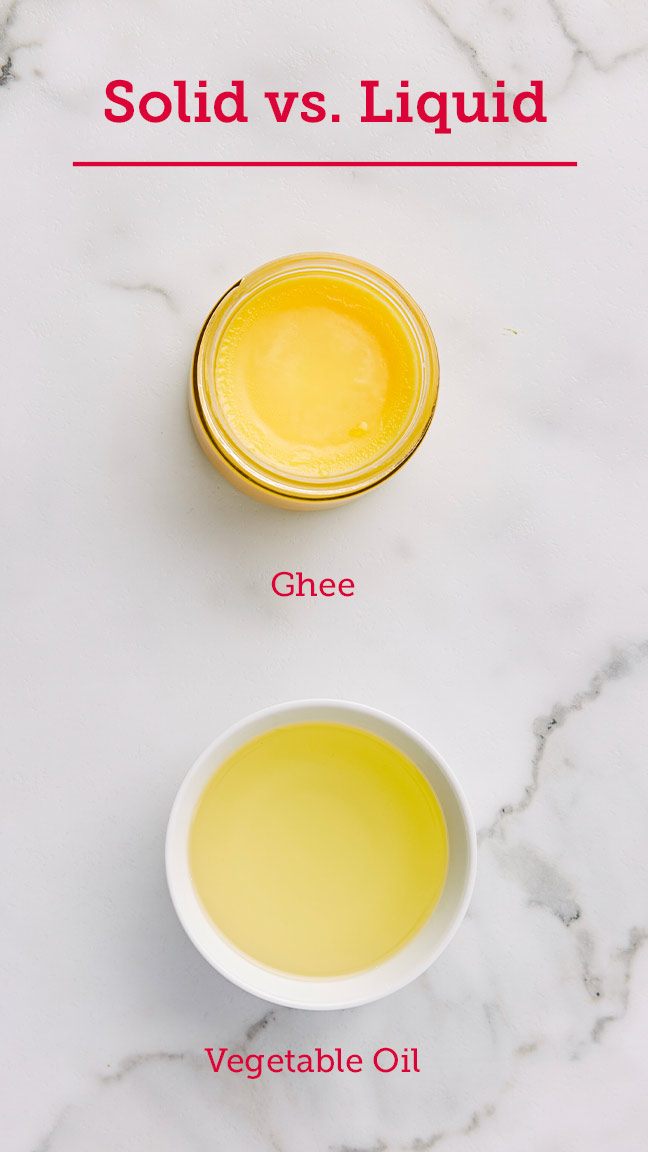
Most oils are in liquid form. There are some exceptions, like unrefined and extra virgin coconut oil, which are solid until heated. Other solid cooking fats include butter, ghee, plant-based buttery spread, vegetable shortening and animal fats.
There’s a difference between the type of oil you’d use to sauté with and the type of oil you use to drizzle on top of your soup, salad or pizza. Neutral oils are great for cooking, while flavored oils are excellent flavoring agents. Knowing the difference between the two, will add flair to your cooking, and help you make the most of the oils you purchase—so, save that expensive walnut oil for salad dressing.
So, what’s a smoke point? It is simply the temperature at which a fat start to burn and thus starts to smoke. Different cooking fats have different smokes points, so it’s an important factor to consider when choosing an oil to cook with.
Here’s how some common types of oil are categorized:
One more note, sometimes the same type of oil is available in both refined and unrefined forms, so check the label before using (or better yet, before buying).

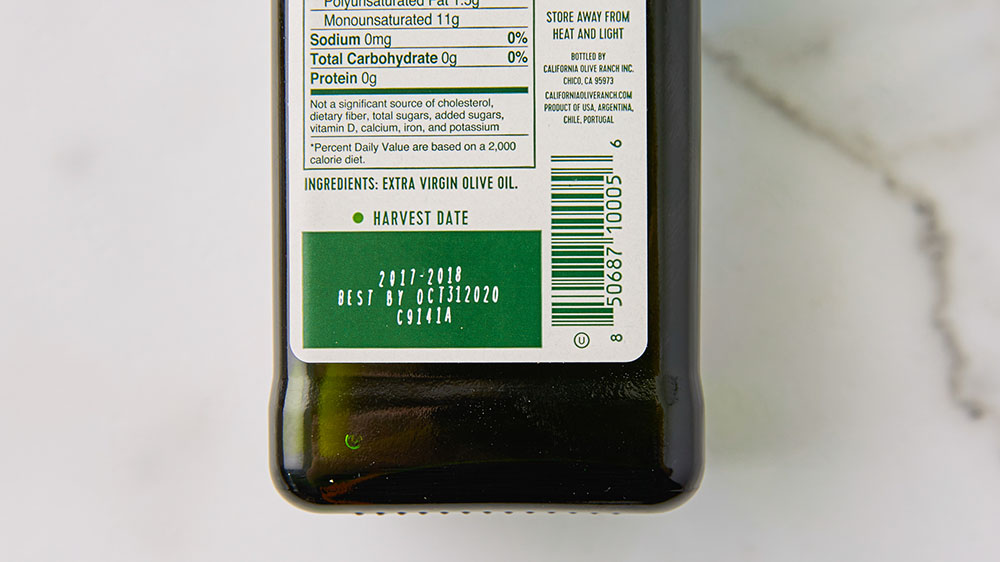
Oils should be stored in cool, dark place for 6 to 12 months. Storing properly, and particularly avoiding exposure to heat (keep away from your stove!) will ensure the best shelf life. More delicate oils like sesame and walnut oil are best kept in the refrigerator. A sniff test is usually a good indicator of whether an oil has gone rancid—some oils feel sticky when rancid. Avoid using any oils that may be questionable or smell “off.”
To make it easy, we created a chart with all the information you need to know about types of cooking fats. Bookmark or print this page next time you can’t decide between ghee and butter!
Cooking Oil Cheat Sheet | ||||||
| Type of Cooking Fat | Refined vs. Unrefined | Liquid vs. Solid | Flavor Profile | Smoke Point | When to Use It | How to Store It |
Extra Virgin Olive oil
| Unrefined | Liquid | Fruity, rich, nutty, dependent on the region
| Low-medium | Low-heat sautéing, baking, mixing into salad dressings/sauces, garnishing a dish | Store in a cool, dark place for 6-12 months |
| Mild Olive Oil | Refined | Liquid | Mild | High | All purpose, grilling, roasting and mixing into salad dressings/sauces | Store in a cool, dark place for 6-12 months |
| Light Olive Oil | Refined | Liquid | Mild | High | Searing, sautéing and frying. Can be subbed for butter or vegetable oil in some baked goods. | Store in a cool, dark place for 6-12 months |
| Vegetable oil | Refined | Liquid | Neutral | High | Frying, stir frying, sautéing, roasting, vinaigrettes, dressings and baking | Store in a cool, dark place for 6-12 months |
| Canola oil | Refined | Liquid | Neutral | High | Frying, stir frying, sautéing, roasting, baking, mixing into salad dressings/sauces | Store in a cool, dark place for 6-12 months |
| Peanut oil | Refined | Liquid | Nutty | High | Frying stir frying | Store in a cool, dark place for 6-12 months |
| Grapeseed oil | Refined | Liquid | Mild to neutral | Medium-High | Shallow-pan frying, oven roasting | Store in a cool, dark place for 6-12 months |
| Sunflower oil | Refined | Liquid | Neutral | High | Frying, marinades, grilling | Store in a cool, dark place for 6-12 months |
| Toasted Sesame oil | Unrefined | Liquid | Intense nuttiness | Low-medium | low-heat sautéing, baking or adding mixing into salad dressings/sauces, garnishing a dish | Keep in fridge for up to a 1 year |
| Avocado oil | Refined | Liquid | Neutral | High | Roasting, sautéing & mixing into salad dressings/sauces
| Store in a cool, dark place for 6-12 months |
| Butter | Unrefined | Solid | Rich, nutty, sometimes salty | Low-medium | Low-heat sautéing or baking | Keep in fridge for 6-9 months |
| Ghee, clarified butter | Refined | Solid | Richer, nuttier | High | Frying and sautéing | Store in a cool, dark place for 6-12 months |
| Vegan Butter Spread | Refined | Solid | Neutral | High | Used in place of cow’s milk butter in cooking and baking
| Keep in fridge |
Regular Coconut oil
| Refined
| Solid | Neutral | Medium-to High | Low-heat sautéing and baking | Store in a cool, dark place for 6-12 months |
| Virgin Coconut Oil | Unrefined | Solid | Natural Coconut Flavor | Low | Low-heat sautéing, baking | Store in a cool, dark place for 6-12 months |
| Vegetable Shortening | Refined | Solid | Neutral | High | For Baking, Cooking, & Suitable for Frying
| Keep in fridge for up to 1 year |